
Is Commercial Window Film Melbourne Worth It?

A west-facing office can turn into the least productive part of the building by mid-afternoon. Screens become difficult to read, staff close blinds, customers avoid sunny seats and the air conditioning works harder than it should. Commercial window film Melbourne businesses choose is a practical way to manage that heat and glare without blocking the natural light that makes a workplace, showroom or reception area feel welcoming.

For offices, retail spaces, clinics, schools and commercial properties across Melbourne, the right film can improve day-to-day comfort while also protecting furnishings, stock and interior finishes from damaging UV exposure. The key is choosing a film that suits the glass, the building and the way the space is used – not simply selecting the darkest option.

What Commercial Window Film Can Change

Commercial window film is applied directly to existing glazing and is designed to alter how the glass handles solar energy, visible light and privacy. Depending on the product selected, it can reduce glare, reject a significant amount of solar heat, filter UV rays and make it harder for people outside to see into selected areas.

That makes a noticeable difference in spaces with large windows or direct sun exposure. A meeting room that overheats in summer, a shopfront where displays fade, or a reception desk facing a bright car park can all benefit from a properly specified film. Rather than shutting out daylight with permanent blinds, film lets a building retain a more open feel while taking the edge off Melbourne’s harsh sun.

It also has a protective role. Quality architectural film helps reduce UV exposure that contributes to fading in carpets, timber floors, furniture, artwork, merchandise and signage. It will not stop all fading, as visible light and heat also play a part, but it can greatly reduce one of the main causes.

Choosing Commercial Window Film in Melbourne

The best commercial window film Melbourne property owners can install depends on more than appearance. The building’s orientation, type of glazing, existing heating and cooling, occupant needs and any body corporate or landlord requirements should all be considered before installation.

Heat and glare control for offices

Solar-control films are often the best fit for offices with strong sun through east- or west-facing windows. Reflective, neutral and dual-reflective films can reduce solar heat and harsh glare while still allowing useful natural light into the room. This can make computer work more comfortable and reduce the need to keep blinds closed through the working day.

The trade-off is that every solar film changes the appearance of the glass to some degree. A darker or more reflective film may provide stronger heat rejection, but it can also reduce visible light and alter views from inside. Neutral and ceramic options are often worth considering where the aim is a cleaner, less mirrored look.

Privacy where it matters most

Privacy film is useful for street-level offices, medical rooms, boardrooms, staff areas and internal glass partitions. Frosted or decorative finishes can provide privacy without making the room feel closed in, which is especially useful for meeting spaces that still need to receive light.

Reflective film can provide daytime privacy on external windows, but it is not a one-way solution at night. When interior lights are brighter than outside, people outside may be able to see in. For spaces needing reliable privacy at all hours, frosted, opaque or purpose-designed privacy film is usually the better choice.

Shopfronts, displays and customer comfort

Retail glazing needs a careful balance. A film that is too dark can make a store feel less visible from the street, while clear glass without protection can leave stock and displays exposed to glare and UV. A lighter neutral film can often improve comfort near the front windows and help protect merchandise without taking away from the shopfront.

For businesses with premium products, artwork, fabrics or printed materials in direct sunlight, UV protection is particularly valuable. It is a sensible preventative measure that can help preserve the presentation of items customers see every day.

Film Types and Where They Work Best

Commercial films are not all designed to solve the same problem. A professional installer should assess your glass and explain what each option will deliver before recommending a finish.

Ceramic film is a strong choice where heat reduction is a priority but a low-reflective, modern appearance is preferred. It uses advanced ceramic technology to reject heat without relying on a heavily metallic finish. This suits offices, consulting rooms and buildings where maintaining clear outward views matters.

Graphite and neutral films offer a refined tinted appearance and can reduce glare, heat and UV exposure. They suit many commercial windows where the owner wants a practical solar-control result without a highly reflective exterior.

Reflective and dual-reflective films are commonly used on sun-exposed glass where stronger solar performance and daytime privacy are required. Dual-reflective options are designed to keep internal reflectivity lower than standard reflective films, which can improve the view from inside after dark.

Frosted, decorative and privacy films are more about discretion and presentation than solar control. They are ideal for glass doors, partitions, bathrooms, consulting rooms and meeting rooms, and can be cut or applied in ways that support the look of the premises.

The Glass Itself Needs Checking First

Not every film is suitable for every pane of glass. Applying the wrong product to certain glazing can increase thermal stress, particularly where glass is exposed to uneven heat, has existing damage or is part of an insulated glass unit. That is why the installation process should begin with an assessment rather than a colour chart alone.

An experienced installer will consider the glass type, pane size, frame condition, window orientation and shading from nearby buildings or trees. They will also look for existing cracks, chips, failed seals or signs of ageing. Film can improve performance, but it cannot repair compromised glass.

For leased premises, it is also wise to check landlord approval before proceeding. Some buildings have requirements around external appearance, especially where reflective films are proposed. A suitable product can usually be found, but the decision should be made with the property rules in mind.

Safety Film Is a Different Conversation

Solar-control film and safety film can overlap in some applications, but they are not automatically the same product. Safety-focused films are designed to help hold broken glass together if it is impacted or shattered. This can reduce the spread of loose fragments and add a level of resistance during attempted break-ins.

For ground-floor windows, glass doors, street-facing shopfronts and vulnerable office areas, that extra glass retention can be worthwhile. It is not a replacement for security glass, alarms or sensible building security, but it can form part of a broader protection plan.

If security is the main concern, say so from the start. The best recommendation may differ from the film chosen purely for heat or privacy, and the thickness, fixing method and glass condition all matter.

What a Quality Installation Looks Like

The finish matters as much as the film itself. Commercial glazing is highly visible, particularly on shopfronts and office partitions, so poor preparation can lead to contamination, lifting edges, creases or an uneven appearance.

Professional installation starts with thorough glass preparation and precise cutting. The film is then applied carefully, with attention paid to edges, seals and the consistency of the finish across adjacent windows. Minor moisture haze can be visible while the film cures, particularly in cooler conditions, but this should clear as the adhesive settles.

Northside Window Tinting brings more than 18 years of installation experience to commercial film work across Melbourne. The focus is on matching the film to the property problem, whether that is glare at workstations, exposed shop displays, uncomfortable heat or privacy around glass-fronted rooms.

A Practical Investment, Not a One-Size-Fits-All Fix

Commercial window film can help reduce discomfort, protect interiors and give a building a more considered finish. Its value is strongest when it addresses a clear issue: a hot afternoon workspace, fading stock near the window, a lack of meeting-room privacy or excessive glare on screens.

Before choosing a shade or finish, look at how sunlight moves through the premises, when occupants feel the heat most and what level of privacy is actually needed. A properly selected film can make those difficult windows easier to live with every working day.
ClearPlex Windscreen Protection for Melbourne

A fresh stone chip can happen in seconds – often on the Ring Road, a freeway run or a country-road weekend away. ClearPlex windscreen protection gives Melbourne drivers a practical extra layer between their glass and the loose stones, grit and road debris that can turn a small impact into an expensive windscreen repair or replacement.

Unlike a conventional tinted film, ClearPlex is a clear protective film applied to the outside of the windscreen. It is designed to absorb and spread the force of minor impacts before they strike the glass directly. For owners who want to keep a newer vehicle in top condition, protect factory glass or reduce exposure to everyday road damage, it is a smart addition to a broader vehicle-protection package.

What ClearPlex Windscreen Protection Does

Your windscreen is constantly exposed. Trucks throw up gravel, roadworks leave loose aggregate behind, and the vehicle in front can flick debris into your path with very little warning. Even a tiny chip can spread with temperature changes, vibration and further impacts.

ClearPlex windscreen protection creates a sacrificial surface over the glass. When small debris hits the film, the film is intended to take much of that initial punishment. It can reduce the likelihood and severity of stone chips, pitting and minor surface damage that gradually affects the look and performance of an otherwise healthy windscreen.

It also helps protect against the fine sandblasting effect common on vehicles that spend plenty of time on open roads. Over time, countless tiny impacts can leave glass looking dull or hazy, particularly when driving into low sun or facing headlights at night. Keeping the windscreen surface in better condition can make a genuine difference to day-to-day driving comfort.

Why It Makes Sense for Melbourne Drivers

Melbourne conditions are not gentle on vehicle glass. A commuter may deal with freeway traffic and construction zones during the week, then head out of town on rougher roads at the weekend. SUVs, utes and family cars often cover enough kilometres for windscreen damage to become a recurring frustration.

ClearPlex is particularly worth considering if your vehicle is new, premium, difficult to source parts for, or fitted with advanced driver-assistance systems. Many modern windscreens house cameras and sensors that may need recalibration after replacement. Avoiding unnecessary glass replacement is not just about the cost of the screen itself – it can also mean avoiding downtime and the added work that follows.

It is also a sensible choice for drivers who take pride in maintaining their vehicle. Paint protection helps preserve painted panels, quality tint reduces UV exposure inside the cabin, and windscreen film extends that protective thinking to one of the most exposed surfaces on the vehicle.

Protection without darkening the view

A common question is whether a windscreen film will alter visibility. ClearPlex is transparent, so it is not installed to darken the windscreen or create privacy. Its purpose is protection while maintaining a clear view of the road.

That said, any film must be professionally fitted with careful preparation and a clean working environment. The windscreen is directly in your line of sight, so installation quality matters more here than almost anywhere else on a vehicle. Dust, poor alignment, trapped moisture or careless edge finishing are not acceptable on a surface you look through every time you drive.

The Value of Professional Installation

A windscreen is curved, exposed and fitted with components that need to be treated carefully. Correct ClearPlex installation involves thoroughly cleaning and preparing the glass, accurately shaping the film, applying it evenly and finishing edges properly. The goal is a neat, clear result that performs as intended without compromising the appearance of the vehicle.

Professional fitting also allows the condition of the windscreen to be assessed beforehand. Existing chips, cracks, deep scratches or heavily pitted glass should be discussed before any film is installed. A protective film is not a repair for damaged glass, and applying it over an existing defect will not make that defect disappear.

At Northside Window Tinting, the focus is on helping drivers choose protection that suits how they actually use their vehicles. A suburban runabout with low annual kilometres has different needs from a work ute travelling construction routes, or a prestige SUV regularly driven on regional highways. The right recommendation should be based on the vehicle, its condition and the roads it sees most often.

What ClearPlex Can and Cannot Protect Against

ClearPlex is a worthwhile defence against common small impacts, but it is not an indestructible shield. A large rock, sharp object or high-speed impact can still damage the windscreen. The film is there to reduce risk and protect the glass from the routine punishment that causes chips and surface wear – not to guarantee that glass will never break.

It is equally important to understand that it does not replace safe driving distances or careful vehicle maintenance. Leaving more room behind trucks and avoiding loose-road shoulders where possible will still reduce the chance of impact damage.

The film itself is also a protective layer that may eventually show wear, especially on vehicles that travel high kilometres, live outdoors or frequently encounter abrasive dust. That is by design. In many cases, replacing a worn film is preferable to replacing the windscreen beneath it.

Wipers, Washing and Everyday Care

Once fitted, a protected windscreen should be treated with the same common sense you would apply to quality paint protection. Keep wiper blades clean and replace them when they become worn, split or gritty. Damaged wiper rubbers can drag contaminants across any surface, including protective film.

Before using the wipers on a dry, dusty screen, use washer fluid to lubricate the surface. Regular washing helps remove road grime, insect residue and mineral deposits before they build up. Avoid harsh abrasives, scourers or aggressive polishing products unless they are confirmed as suitable for the film.

Good care is simple, but it matters. A clean windscreen and clean wiper blades support clear vision, improve the performance of the film and reduce unnecessary surface marking.

Is It Right for Your Vehicle?

ClearPlex windscreen protection is often a strong fit for new cars, family SUVs, work vehicles, performance cars and prestige vehicles. It can also suit drivers who have already experienced repeated stone chips and want to take a more preventative approach.

The decision comes down to your driving environment and how long you intend to keep the vehicle. If most travel is short-distance, low-speed suburban driving, the benefit may be less immediate. If you regularly use freeways, follow heavy vehicles, travel through roadworks or clock up regional kilometres, the value is easier to see.

It is also worth considering alongside other professionally installed protection. Window tinting can make the cabin cooler and reduce UV exposure. Exterior coatings can help preserve paintwork and simplify cleaning. ClearPlex protects the forward-facing glass that receives some of the harshest treatment on the road. Together, these services help keep a vehicle looking cared for rather than simply repaired as damage appears.

A windscreen is easy to overlook until the first chip catches your eye in afternoon sun. Protecting it early gives you the best chance of enjoying clearer glass, fewer small worries and a vehicle that stays closer to its best for longer.

Ceramic Car Window Tint for Melbourne Conditions

A Melbourne car parked outside through a hot afternoon can feel unbearable before you have even turned the key. Ceramic car window tint is designed to make that first drive more comfortable by reducing heat and glare without relying on an excessively dark film. For families, daily commuters, ute owners and people who take pride in their vehicle, it is a practical upgrade that protects both the cabin and the driving experience.

Unlike basic dyed film, ceramic tint uses non-metallic ceramic particles to manage solar energy. The result is strong heat rejection, clear visibility and no common interference issues with mobile reception, GPS or in-car electronics. It costs more than entry-level tint, but for vehicles that spend plenty of time outdoors, the difference is noticeable.

What makes ceramic car window tint different?

Window tint is not all made the same. Lower-cost films often focus on appearance, using dye to create a darker glass finish. They can improve privacy and cut some glare, but their heat performance may be limited and cheaper products can fade, turn purple or lose their finish over time.

Ceramic film is built for performance as well as appearance. Its ceramic construction helps reject a larger portion of infrared heat, the heat you feel on your skin and through the glass. It also filters harmful UV exposure that contributes to fading dashboards, drying leather and ageing interior trims.

The non-metallic design matters. Some metallic films can affect radio reception, GPS, Bluetooth or toll tags. Ceramic tint is a strong choice for newer vehicles with more technology built into their glass and cabin. It gives you premium heat control without creating unnecessary compromises in everyday use.

It is also worth separating ceramic tint from ceramic coating. Ceramic tint is a window film installed on glass. A ceramic coating is a protective treatment for painted surfaces, wheels, trims or interior materials. Both can help preserve a vehicle, but they do different jobs.

Cooler cabin, clearer driving

The main reason Melbourne drivers choose ceramic tint is heat reduction. It will not make a car left in direct summer sun instantly cool, but it can reduce the heat building through the glass and ease the workload on the air conditioning once you start driving. That is particularly valuable in SUVs, vans and vehicles with large side windows.

A cooler cabin is more than a comfort feature. It can make school drop-offs, peak-hour traffic and longer weekend drives less tiring. It also helps protect items regularly carried in the car, from child seats and electronics to leather bags and work equipment.

Glare is another everyday issue. Afternoon sun across the Eastern Freeway, low winter sun on suburban roads and reflections from wet streets can all make driving harder on the eyes. A quality ceramic film reduces harsh visible light while allowing you to select a legal shade that still feels safe and natural from the driver’s seat.

The best shade is not always the darkest one. A moderate tint with excellent heat rejection can be a better result than a very dark, lower-performance film. You retain outward visibility, keep the vehicle looking refined and gain meaningful comfort where it counts.

UV protection for the cabin and occupants

Automotive glass provides some protection, but side windows can still allow substantial UV exposure. Quality window film adds another protective layer, helping block up to 99 per cent of harmful UV rays. This helps reduce the fading and deterioration of dashboards, door trims, upholstery and leather.

For drivers who spend long hours on the road, it also provides an extra layer of protection from sun exposure through the side glass. It is a sensible consideration for tradies, rideshare drivers, sales representatives and anyone regularly travelling during daylight hours.

Privacy and safety without making the car feel closed in

Tinted windows add privacy by making it harder for passers-by to see into your vehicle. That can be useful when bags, tools or child seats are left in the cabin, although tint should never be treated as a substitute for securing valuables out of sight.

Window film can also assist with glass retention. If a side window breaks, the film can help hold fragments together rather than allowing glass to scatter immediately through the cabin. It is an added safety benefit, particularly for family vehicles, but it does not make a window unbreakable or replace dedicated security glass.

Ceramic film gives you flexibility here. Because it performs well in managing heat, you can choose a lighter shade for a more open feel while still gaining protection from solar energy. This is often the right balance for drivers who want a premium finish rather than a heavily blacked-out look.

Choosing the right shade and film for your vehicle

The right tint depends on how you use the vehicle, the glass already fitted and the finish you prefer. A family SUV may benefit from a shade that gives rear-seat passengers extra privacy and comfort. A work ute may need reduced glare and heat without affecting practical visibility. A prestige vehicle may suit a clean, factory-style finish that complements its original glass.

Legal requirements are equally important. Window tint laws set minimum visible light transmission levels for different windows, and the rules must be followed. The film shade, the factory tint already in the glass and any existing aftermarket film all affect the final result. A professional installer checks the glass and recommends a compliant option rather than relying on how dark a sample looks indoors.

Keep in mind that factory privacy glass is not necessarily a heat-rejecting film. It may look dark from outside, especially on rear windows, but it can still benefit from a ceramic film designed to cut UV and infrared heat. This needs to be assessed vehicle by vehicle to avoid an overly dark or non-compliant finish.

Why professional installation matters

Even the best ceramic film will disappoint if it is poorly installed. Window tinting requires clean preparation, accurate cutting, careful application and enough time for the film to cure properly. Rushed work can leave contamination, lifting edges, trapped moisture or uneven finishes that become obvious in sunlight.

A professional installation also means the film is matched to the vehicle. Curved rear glass, frameless doors, dot-matrix edges and tight window seals all require experience to achieve a neat finish. Some small water pockets can be visible during the curing period, especially after installation, but these should settle as the film dries. Your installer should explain what to expect and how to care for the glass while it cures.

For Melbourne conditions, film quality matters just as much as fitment. Products developed for harsh Australian sun are better placed to maintain their colour, clarity and performance through years of changing weather. Northside Window Tinting uses professionally installed automotive films selected to provide a durable, clean result rather than a short-term cosmetic fix.

Is ceramic tint worth the extra cost?

For some vehicles, a standard film will be enough. If privacy and a darker appearance are your only priorities, an entry-level option may suit the budget. Ceramic tint becomes more worthwhile when cabin heat, glare reduction, technology compatibility and long-term interior protection are high on the list.

Think about where the car lives. A garaged vehicle used mainly for short trips may not need the highest heat-rejection specification. A daily driver parked outside at work, a black SUV with a large glass area or a vehicle regularly carrying children is more likely to show the benefits quickly.

It is also a long-term decision. Better film can help the cabin stay more comfortable and preserve the materials that affect how the vehicle looks and feels when you own it – and when it is time to sell. The value is not just in the tint’s appearance on installation day, but in how it performs through several Melbourne summers.

Looking after newly tinted windows

After installation, avoid winding down the windows until advised that the film has cured. The exact time can vary with the weather and the type of glass. During the first few days, a slight haze or small moisture pockets may be visible. These are normally part of the curing process, not a fault.

Once cured, clean the inside of tinted glass with a soft microfibre cloth and an ammonia-free cleaner. Avoid abrasive pads, harsh chemicals and sharp objects around film edges. Simple care helps keep the tint clear and protects the finish for years.

A good tint should feel like part of the vehicle, not an afterthought. Before choosing a shade, look at film samples in natural light, discuss how and where you drive, and choose heat performance that suits your real Melbourne routine.

Ceramic Coating Melbourne: Is It Worth It?

A Melbourne car can cop a hard life without leaving the driveway. Summer UV, winter grime, road spray, tree sap, bird droppings and daily parking all take their toll on paintwork. Ceramic coating Melbourne vehicle owners choose is designed to add a durable, high-gloss protective layer that makes those everyday contaminants easier to manage while helping preserve the look of the vehicle underneath.

It is not a force field, and it is not a substitute for sensible washing or stone-chip protection. Done properly, though, a quality ceramic coating can make a noticeable difference to how a car looks, cleans and holds its value over time.

What a ceramic coating actually does

Ceramic coating is a liquid paint-protection product professionally applied to the vehicle’s exterior surfaces. Once cured, it bonds with the clear coat to create a slick, water-repellent finish. Water beads and rolls away more readily, dirt has less grip on the surface, and washing becomes less labour-intensive.

The immediate result is usually the gloss. A well-prepared coating can sharpen the paint’s depth and reflection, whether the vehicle is a new family SUV, a work ute or a weekend car that receives more careful attention. The longer-term benefit is protection from the contaminants that gradually dull paint and stain unprotected clear coat.

Quality coatings such as Gtechniq smart surface coatings are built to help resist UV exposure, road film, bug residue, bird droppings, tree sap and general grime. Melbourne’s weather can turn quickly, and a car that spends its days outdoors is exposed to more than most owners realise. A coating gives the paint a more resilient sacrificial layer between it and the elements.

What ceramic coating will not protect against

Ceramic coating is often talked about as permanent or scratch-proof. Neither description is accurate. It improves resistance to light wash marring and makes contamination easier to remove, but it cannot stop a key scratch, a deep scrape from a tight car park, or stone chips at freeway speed.

If stone impacts are the main concern, protection needs to be considered separately. Windscreen protection products such as ClearPlex can help protect vulnerable glass, while paint protection film may be the better option for high-impact painted areas. A ceramic coating is best viewed as broad surface protection and easier maintenance, not armour plating.

It also cannot correct existing paint defects by itself. Swirl marks, oxidation, water spots and fine scratches remain beneath the coating unless they are addressed during preparation. This is why the installation process matters as much as the product.

The preparation behind a lasting finish

The difference between a coating that looks outstanding and one that disappoints is often hidden in the work done before the bottle is opened. Paint needs to be cleaned, decontaminated and assessed properly. Depending on the age and condition of the vehicle, it may also need machine polishing to improve gloss and reduce visible swirls.

A new car is not automatically perfect. Vehicles can arrive with transport marks, dealer washing marks or contaminants picked up in storage. An older vehicle may need more correction before coating, which adds time but delivers a much better final result.

Once the paint is prepared, the coating is applied carefully panel by panel and allowed to cure under suitable conditions. Missed high spots, poor levelling or rushed curing can leave visible marks and reduce performance. Professional installation is about controlling these details, not simply applying a product labelled as ceramic.

At Northside Window Tinting, the focus is on matching the protection system to the vehicle, its condition and how it is used. That matters because a garaged weekend vehicle, a daily-driven commuter car and a tradie’s ute have very different exposure levels and maintenance routines.

Is ceramic coating Melbourne protection worth the cost?

For many owners, yes – provided expectations are realistic. Ceramic coating is particularly worthwhile when you want to keep a newer vehicle looking newer for longer, reduce the effort involved in regular washing, or improve the presentation of a car you plan to keep or sell in the future.

It can also make practical sense for darker-coloured cars. Black, dark blue and charcoal paint can look exceptional when coated, but these colours show dust, water spots and wash scratches more readily. The coating will not make dark paint maintenance-free, yet it gives you a slicker surface that is easier to wash carefully and maintain without constantly fighting grime.

The value depends on three things: the condition of the paint before installation, the grade of coating selected and the care the vehicle receives afterwards. A premium coating on poorly prepared paint will not deliver its full potential. Likewise, even the best coating needs regular, gentle washing to avoid a build-up of contaminants.

For a vehicle nearing the end of its ownership cycle, a full correction and premium coating may not be the right spend. A more targeted clean-up and protection option could be better. Straight advice should always come before a one-size-fits-all package.

Ceramic coating versus wax and sealants

Wax has its place. It can add shine and water beading quickly, and it is a lower-cost option for drivers who enjoy detailing their own vehicles. The trade-off is durability. Waxes and many traditional paint sealants wear away sooner and need more frequent reapplication.

A ceramic coating is a more substantial investment because it offers longer-lasting chemical resistance, stronger water behaviour and a more durable bond to the paint. It is designed for owners who want professional-level protection without spending every second weekend reapplying products.

That does not mean ceramic is automatically the correct choice for every car. If you like changing products regularly, keep your vehicle indoors and only need short-term gloss before sale, wax may be enough. If your car is parked outside, driven daily or exposed to Melbourne’s variable conditions, ceramic coating is usually the more practical long-term option.

How to care for a ceramic-coated car

A coated vehicle still needs washing, but the process should be easier and safer. The aim is to remove contamination before it bonds or becomes abrasive. Leaving bird droppings, sap or mineral-heavy water sitting on any paint surface for too long can cause staining, coating or not.

Use a pH-neutral car wash product, clean wash mitt and separate bucket for wheels where possible. Rinse loose grit off first, then wash from the upper panels down. Drying with a clean microfibre towel helps prevent water spotting, especially during warmer weather.

Avoid automatic brush washes. Their brushes can drag dirt across the paint and create fine swirls over time. Also be cautious with harsh degreasers, abrasive polishes and cheap wash products that leave residue. If the water beading slows down, it does not always mean the coating has failed. Road film or mineral deposits may be masking its performance and may need professional decontamination.

Choosing the right protection package

The best result comes from looking at the whole vehicle, not only the paint. Ceramic coating can be paired with window tinting to reduce heat, glare and UV exposure inside the cabin. This helps protect interior trim while the exterior coating helps preserve the paintwork and easier-to-clean finish.

For owners concerned about high-speed driving damage, vulnerable areas need separate consideration. A coating provides useful surface protection, but it will not prevent impacts in the way a dedicated film can. The same goes for wheels, glass and interior surfaces – each has different needs and may benefit from a purpose-built product.

Before booking, consider where the car is parked, how often it is driven, whether it sees freeway kilometres, and how much time you are realistically willing to spend washing it. These details make it easier to select protection that delivers genuine value rather than paying for features you do not need.

A ceramic coating should make owning your car more enjoyable: deeper gloss after a wash, less effort removing grime, and confidence that the paint has a quality layer of protection working through Melbourne’s changing seasons. The right installation starts with an honest look at the vehicle and ends with a finish you will be pleased to see every time you walk back to it in the car park.

What To Look For In Quality Car Window Tinting Installation?

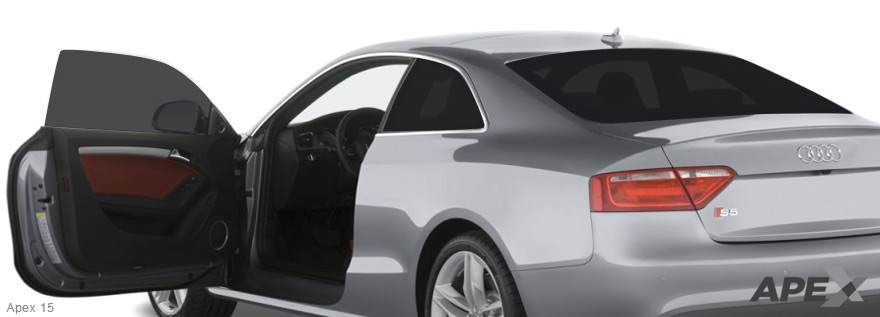
Apex_15

Planning to get your car windows might appear like a simple decision. However, if you are not aware of what to look for in a window tinting company, you may fall prey to mediocre window tinting. Car window tinting is an excellent way to enhance your car’s aesthetics, protect you and your passengers from harmful sun rays and prevent your upholstery from fading and keep your car cabin cool. They also offer maximum privacy from a curious passer-by crowd. All these perks can be affected by a poor installation job. That’s why you need to be more cautious and know what to look for in a quality window tinting installation.

Check For Clean Edges

One of the first things you should notice after the installation is the clean edges. A quality window tint installation is something that leaves no gaps between the window edges and the cut line of the film. However, if the gaps are big and you find uneven edges, know that it’s a poorly done job and you should have it reinstalled again.

Bubbles Appear

Bubbles appear after every car window tinting installation, it should subside as the tint gets dry and fits the entire window. However, if it seems to be an air or dust bubble, realise that it’s a badly done job. Either, it appears when the car windows were not cleaned properly during the installation, or it might be due to the low-quality tint materials. And due to this, the tint will not perfectly adhere to the window causing bubbles.

Purple Hue When Exposed To Sun

If you see your windows throw a purplish hue when exposed to the sun, know that the installer has used a low-quality window tint. It can be annoying to watch as it ruins the appeal of your pristine car. So, check with the window tinting service provider about their tint ranges and quality. So, ultimately, a quality window tinting installation will leave no room for these mistakes and ensure you get the best value for your money. If you plan on getting a window tint for your car, call the window tinting experts from Northside Window Tinting on 0410 240 245 today.